
Introduction: Why Personalized Medicine Matters in Bangladesh
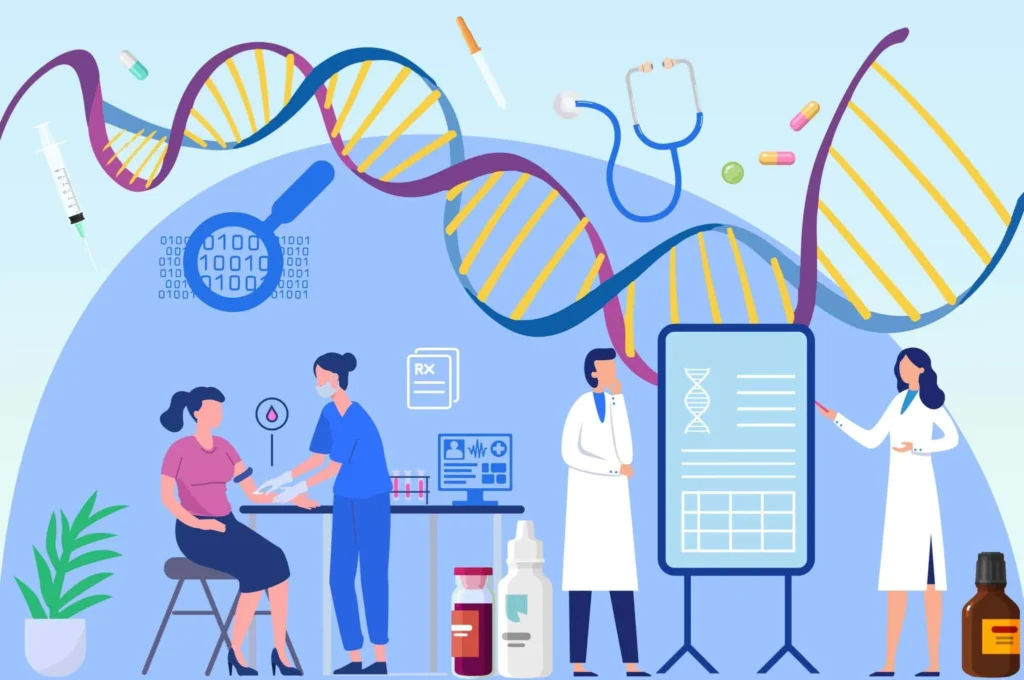
Healthcare is rapidly evolving from a “one-size-fits-all” approach to a more personalized, data-driven model. At the heart of this transformation is Personalized Medicine Bangladesh, a modern healthcare approach that tailors treatment based on an individual’s genetic profile, lifestyle, and environment.
For a country like Bangladesh, where non-communicable diseases (NCDs) are rising at an alarming rate, adopting Personalized Medicine could significantly improve quality healthcare and overall public health outcomes.
What is Personalized Medicine?
Personalized Medicine, also known as Precision Medicine, is a healthcare approach that uses patient-specific data to design targeted treatments.
Key Benefits:
- Early disease risk detection
- Accurate and targeted treatment
- Reduced side effects
- Improved treatment outcomes
This approach shifts healthcare toward a more patient-centered system, which is essential for sustainable healthcare development.
The Growing Burden of NCDs in Bangladesh
Bangladesh is currently facing a surge in chronic diseases, including:
- Diabetes
- Cardiovascular diseases
- Cancer
- Stroke
These NCDs are responsible for a significant portion of mortality and healthcare costs. Traditional treatment methods often lead to:
- Late diagnosis
- Ineffective treatment
- Increased long-term healthcare expenses
This highlights the urgent need for innovative solutions like Personalized Medicine in Bangladesh.
How Personalized Medicine Can Improve NCD Management
1. Early Detection and Prevention
Personalized Medicine enables early identification of disease risks through genetic and biomarker analysis.
2. Targeted Treatment
Each patient receives customized treatment, improving effectiveness and reducing trial-and-error prescriptions.
3. Better Chronic Disease Control
Long-term conditions like diabetes and heart disease can be managed more efficiently.
4. Cost-Effective Healthcare
By avoiding unnecessary treatments and tests, healthcare costs can be significantly reduced.
Role of Personalized Medicine in Quality Healthcare
Adopting Personalized Medicine in Bangladesh can ensure:
- Higher quality, patient-centered care
- Improved treatment success rates
- Reduced healthcare inequality
- Efficient use of healthcare resources
This aligns with global goals such as Universal Health Coverage (UHC).
Impact on Public Health in Bangladesh
Personalized Medicine can transform public health systems by:
- Promoting preventive healthcare
- Enabling data-driven policy decisions
- Reducing disease burden at the population level
- Strengthening digital health infrastructure
Challenges and Opportunities in Bangladesh
Challenges:
- Limited genetic data infrastructure
- Lack of trained professionals
- Policy and regulatory gaps
- Data privacy concerns
Opportunities:
- Growing digital health ecosystem
- Increasing awareness of NCDs
- Potential for public-private partnerships
- Global collaboration in health innovation
The Way Forward
To successfully implement Personalized Medicine in Bangladesh, key steps include:
✔️ Investing in genetic research and infrastructure
✔️ Training healthcare professionals
✔️ Developing data protection policies
✔️ Encouraging innovation and partnerships
Conclusion
Personalized Medicine is the future of healthcare in Bangladesh.
By embracing this approach, Bangladesh can effectively manage NCDs, ensure quality healthcare, and build a stronger public health system.
The future is not just about treating diseases—it’s about predicting, preventing, and personalizing care.