
Immune Amnesia After Measles: A Hidden Threat to Long-Term Immunity
Measles is not just a rash—it can significantly weaken the immune system in a way many people don’t realize. A lesser-known but critical complication is immune amnesia, where the body loses its previously built immunity against infections.
With measles cases rising again globally, including over 1,600 confirmed cases in the United States in early 2026, understanding this hidden risk has become more important than ever.
What is Immune Amnesia?
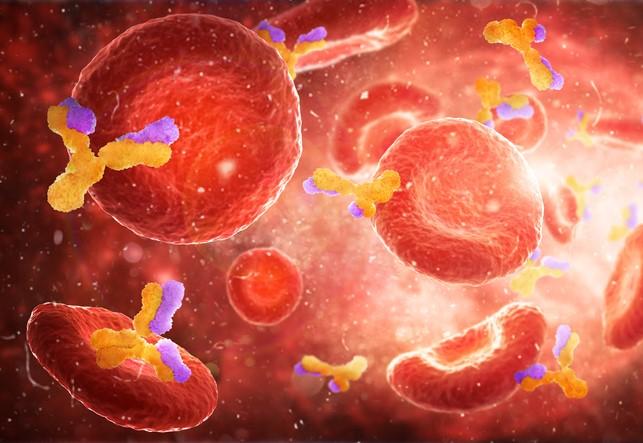
Immune amnesia occurs when the measles virus attacks and destroys memory B cells and T cells—the immune system’s long-term defense memory. These cells are responsible for recognizing and fighting infections that the body has already encountered.
Research shows that measles infection can eliminate 11% to 73% of pre-existing antibodies, effectively forcing the immune system to rebuild its defense from scratch.
Why is This Dangerous?
This loss of immune memory leads to prolonged immune suppression, which can last:
- Several months
- Up to 2–3 years
- In some cases, even longer
During this period, individuals—especially children—become more vulnerable to:
- Pneumonia
- Influenza
- Bacterial infections
Importantly, many hospitalizations and deaths after measles are due to these secondary infections, not the measles virus itself.
The Role of MMR Vaccination
The MMR vaccine (Measles, Mumps, Rubella) plays a crucial role in preventing both measles and immune amnesia.
- Vaccinated individuals do not experience immune memory loss
- Vaccination protects long-term immunity
- Studies show reduced overall childhood mortality beyond measles prevention
Why This Matters for Public Health
Maintaining high vaccination coverage is not just about controlling measles outbreaks—it is about protecting the immune resilience of entire communities.
For:
- Healthcare professionals
- Parents
- Policymakers
👉 The message is clear: Preventing measles means protecting lifelong immunity.
Call to Action
Have you encountered immune amnesia in your clinical practice or research?
How can we better raise awareness of this hidden long-term risk?
Let’s strengthen science-based communication and ensure wider vaccination coverage.