
Introduction
The measles outbreak in Bangladesh has become a major public health concern in 2025. Although the country was once close to eliminating measles, the disease is now re-emerging due to gaps in immunization and healthcare services. As a result, understanding the causes of the measles outbreak in Bangladesh and identifying effective solutions is essential.
What Is Happening with the Measles Outbreak in Bangladesh?
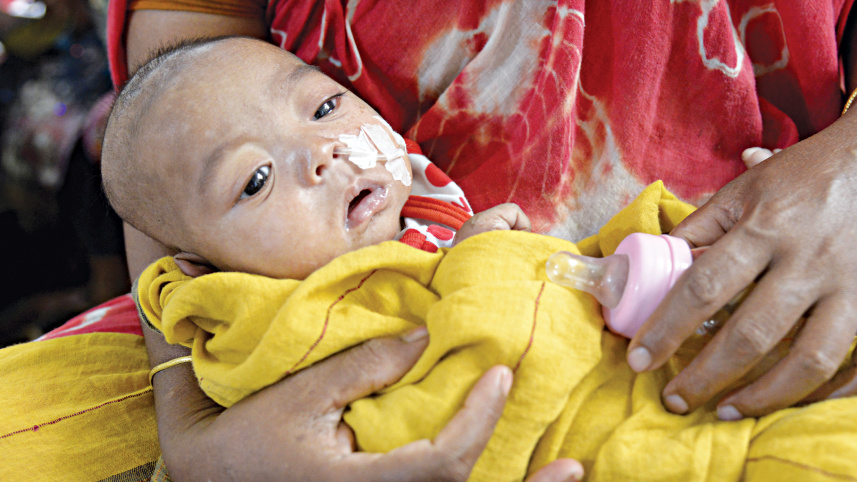
Currently, the measles outbreak in Bangladesh is spreading across multiple districts, especially in vulnerable communities. In particular, children are at the highest risk due to incomplete vaccination coverage. Moreover, the rapid transmission of the disease is making the situation more critical.
Major Causes of the Measles Outbreak in Bangladesh
1. Declining Vaccination Coverage
Firstly, routine immunization programs were disrupted during the COVID-19 pandemic. Therefore, many children missed their vaccines, which contributed directly to the measles outbreak in Bangladesh.
2. Vaccine Hesitancy
In addition, misinformation and lack of awareness have reduced trust in vaccines. As a result, many families are hesitant to vaccinate their children.
3. High Population Density
Furthermore, Bangladesh’s dense population allows diseases like measles to spread quickly. This is another major reason behind the measles outbreak in Bangladesh.
4. Weak Disease Surveillance
Another key issue is the lack of strong surveillance systems. Consequently, delayed reporting makes it harder to control the outbreak effectively.
5. Limited Healthcare Access
Finally, rural and marginalized communities often lack access to healthcare services. Because of this, vaccination rates remain low in these areas.
Public Health Impact of the Measles Outbreak in Bangladesh
The measles outbreak in Bangladesh is not just a temporary issue. In fact, it can cause serious complications such as pneumonia, encephalitis, and even death. Therefore, it puts significant pressure on the healthcare system.
Policy-Level Solutions to Control the Measles Outbreak in Bangladesh
1. Strengthen Immunization Programs
To begin with, the government must expand vaccination campaigns. This will help reduce the measles outbreak in Bangladesh effectively.
2. Launch Public Awareness Campaigns
Additionally, educating people about vaccine safety is crucial. This can reduce hesitancy and improve vaccination rates.
3. Improve Disease Surveillance Systems
Moreover, implementing digital monitoring systems can help track cases in real time.
4. Focus on High-Risk Areas
It is also important to target slums, rural regions, and refugee camps where the measles outbreak in Bangladesh is more severe.
5. Collaborate with Global Organizations
Furthermore, partnerships with WHO and UNICEF can strengthen response strategies.
6. Increase Government Funding
Finally, sufficient funding is necessary to sustain long-term healthcare improvements.
Conclusion
In conclusion, the measles outbreak in Bangladesh highlights serious gaps in the public health system. However, with proper vaccination strategies and strong policy actions, Bangladesh can successfully control the outbreak and prevent future risks.