
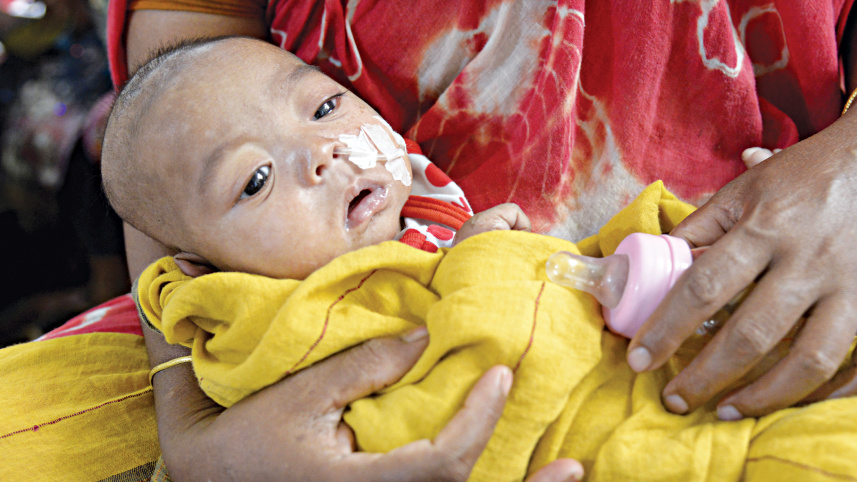
Measles Outbreak in Bangladesh 2025: Causes, Latest Situation & Policy Solutions
Introduction
The measles outbreak in Bangladesh (2025) has become a growing public health concern. Despite previous success in controlling the disease, recent reports indicate a rise in measles cases due to gaps in immunization and healthcare access. Understanding the latest situation, causes, and solutions is now critical.
Latest Situation of Measles in Bangladesh
The current measles outbreak is affecting multiple districts, especially vulnerable and densely populated areas. Children remain the most at risk due to missed vaccinations during recent years. Health experts warn that without immediate intervention, the situation could worsen rapidly.
Main Causes Behind the Measles Outbreak
1. Drop in Vaccination Coverage
Routine immunization programs were disrupted during COVID-19, leading to a significant number of unvaccinated children.
2. Vaccine Hesitancy
Misinformation and fear about vaccines have reduced public trust, especially in rural areas.
3. High Population Density
Crowded urban areas make it easier for infectious diseases like measles to spread quickly.
4. Weak Surveillance System
Delayed reporting and poor tracking systems slow down outbreak response.
5. Limited Healthcare Access
Remote communities still struggle to access vaccines and medical services.
Health Risks and Impact
Measles is a highly contagious disease that can cause serious complications, including pneumonia, brain infection (encephalitis), and death. The outbreak is putting additional pressure on Bangladesh’s healthcare system.
Policy-Level Solutions
1. Expand Nationwide Vaccination
The government should urgently restore and strengthen immunization coverage.
2. Public Awareness Campaigns
Educating people about vaccine safety can reduce hesitancy.
3. Real-Time Disease Monitoring
Digital surveillance systems can improve outbreak response.
4. Focus on High-Risk Areas
Slums, rural areas, and refugee camps require targeted intervention.
5. International Support
Collaboration with WHO and UNICEF can improve resources and expertise.
6. Increase Health Budget
Sustainable funding is necessary for long-term disease control.
Conclusion
The measles outbreak in Bangladesh is a serious warning sign for public health authorities. With stronger vaccination strategies and effective policy measures, the country can control the outbreak and prevent future health risks.