
Introduction
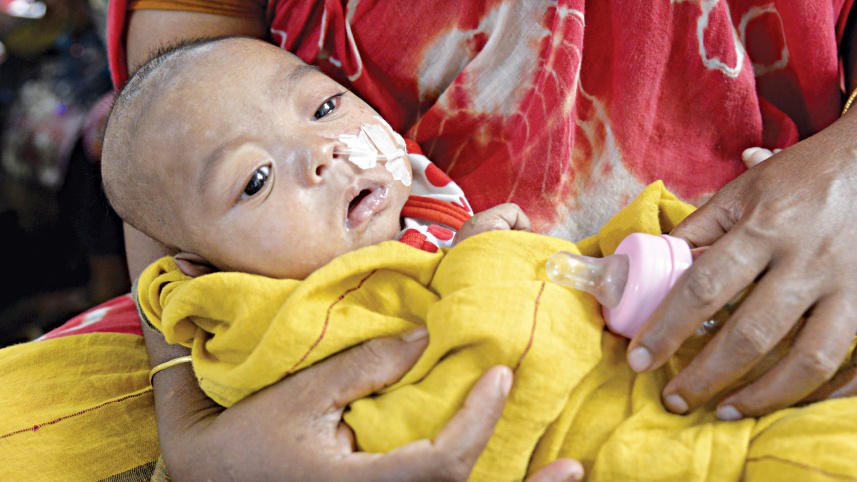
The measles outbreak in Bangladesh has raised serious public health concerns in 2025. Once close to elimination, measles is now re-emerging due to gaps in immunization and healthcare systems. Understanding the causes and solutions is critical to controlling the spread.
What Is Happening with the Measles Outbreak in Bangladesh?
The recent measles outbreak in Bangladesh has affected multiple districts, particularly vulnerable communities. Children remain the most at-risk group due to incomplete vaccination coverage.
Key Challenges Behind the Measles Outbreak in Bangladesh
1. Declining Vaccination Coverage
Routine immunization programs were disrupted during COVID-19, leaving thousands of children unvaccinated.
2. Vaccine Hesitancy
Misinformation and lack of awareness have reduced trust in vaccines in some communities.
3. High Population Density
Bangladesh’s crowded living conditions accelerate the spread of measles.
4. Weak Disease Surveillance
Delayed reporting systems make outbreak control more difficult.
5. Limited Healthcare Access
Rural and marginalized populations struggle to access vaccines and treatment.
Public Health Impact of the Measles Outbreak
The measles outbreak in Bangladesh is not just a short-term issue. It can lead to severe complications such as pneumonia, brain infections, and even death. This increases pressure on the national healthcare system.
Policy-Level Solutions to Control the Measles Outbreak in Bangladesh
1. Strengthen Immunization Programs
Expand nationwide vaccination campaigns and ensure full coverage.
2. Launch Awareness Campaigns
Educate the public about vaccine safety and importance.
3. Improve Surveillance Systems
Use digital tools for real-time disease tracking.
4. Focus on High-Risk Areas
Target slums, rural areas, and refugee camps.
5. Collaborate with Global Organizations
Work with WHO and UNICEF for support and expertise.
6. Increase Government Funding
Allocate sufficient budget for immunization and healthcare infrastructure.
Conclusion
The measles outbreak in Bangladesh highlights critical gaps in public health systems. With strong policy actions and improved vaccination strategies, Bangladesh can regain control and prevent future outbreaks.
✅ FAQ Section (Schema Ready for RankMath/Yoast)
Frequently Asked Questions (FAQs)
What caused the measles outbreak in Bangladesh?
The measles outbreak in Bangladesh is mainly caused by reduced vaccination coverage, healthcare disruptions, and population density.
Why is measles dangerous?
Measles can lead to serious complications such as pneumonia, encephalitis, and death, especially in children.
How can Bangladesh control measles outbreaks?
By improving vaccination coverage, awareness campaigns, and disease surveillance systems.
Is measles preventable?
Yes, measles is highly preventable through effective vaccination programs.
Frequently Asked Questions (FAQs)
What caused the measles outbreak in Bangladesh?
The measles outbreak in Bangladesh is mainly caused by low vaccination coverage, healthcare disruptions, and high population density.
Why is measles dangerous?
Measles can cause severe complications such as pneumonia, brain infections, and even death, especially in children.
How can Bangladesh control measles outbreaks?
Bangladesh can control the measles outbreak in Bangladesh by improving vaccination programs and awareness campaigns.
Is measles preventable?
Yes, measles is preventable through proper immunization.