Climate change is no longer just an environmental issue — it is rapidly becoming a global health crisis.
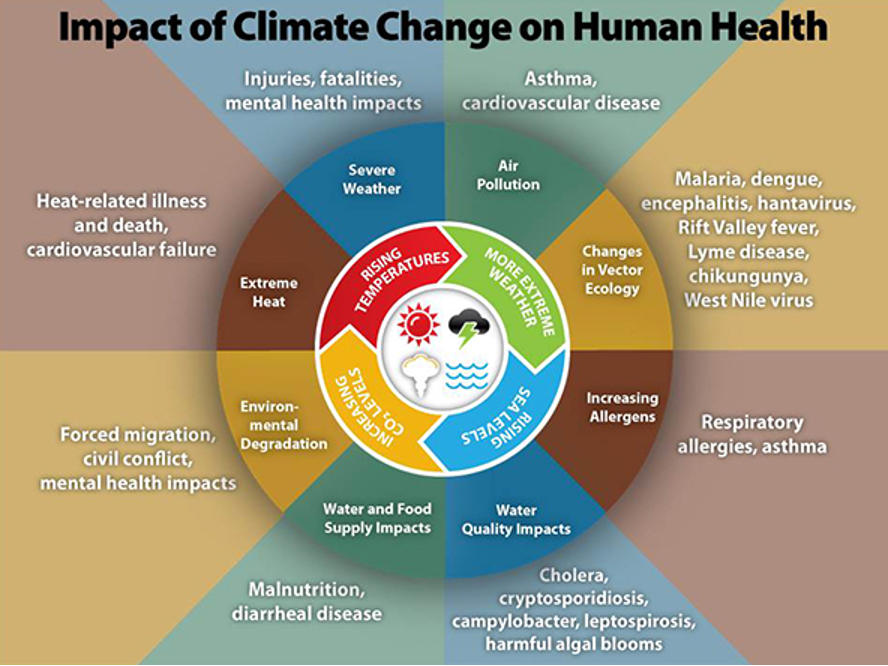
Rising temperatures, changing rainfall patterns, and extreme weather events are accelerating the spread of infectious diseases worldwide important for Climate Change and Global Health. Diseases such as dengue, malaria, and waterborne infections are expanding into new regions, making climate change a serious public health threat.
⚠️ Climate Change and Health Risks
Climate change is directly impacting global health systems:
- Increased spread of vector-borne diseases (dengue, malaria)
- Rising waterborne diseases after floods
- Heat-related illnesses and mortality
- Disruption of food and water security
👉 These risks are no longer future concerns — they are happening now.
🌍 Vulnerable Communities at Greater Risk
The impact of climate change on health is not equal.important for Climate Change and Global Health
Communities with:
- Limited healthcare access
- Poor infrastructure
- Economic vulnerability
👉 face the highest burden, turning climate-related health risks into humanitarian crises.
🚀 Why We Must Act Now
This is not just about responding — it is about preparing resilient health systems.
Key Actions Needed:
🔹 Strengthen public health systems, important Climate Change and Global Health
🔹 Build climate-resilient healthcare infrastructure
🔹 Develop early warning and disease surveillance systems
🔹 Promote cross-sector collaboration between climate and health experts
🔥 Climate Action is Health Action
Addressing climate change is essential to protecting global health.
👉 If we want a healthier and more sustainable future, climate action must be integrated into public health strategies worldwide.